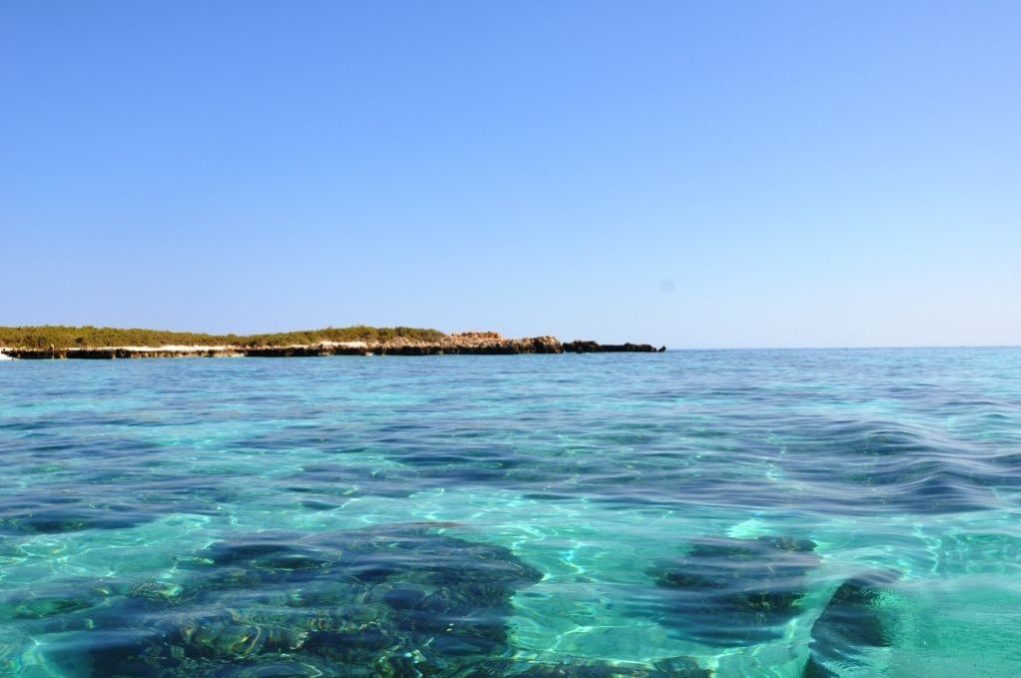
Sultanate of Oman is an amazing place to explore all year round. New aspects of its beauty are revealed with every season. As Oman’s climate changes your experiences will also change, from the plentiful monsoon season in Salalah that transforms the south into a verdant paradise to the moderate, pleasant winters that are ideal for seeing the desert and taking part in cultural events. Whether you want to explore ancient forts, unwind on clean and tidy beaches, or hike through mountain trails, knowing when to go may help you get the most out of your vacation. Our seasonal travel guide makes sure your trip to Oman is enjoyable by highlighting the benefits of each season and portraying the essence of this Arabian treasure.
According to the-business-year, in late 2024, the Ministry of Heritage and Tourism in Oman had signed 12 heritage investment contracts under its Cultural Strategy 2021-2040, supporting the National Tourism Strategy 2040 aimed at attracting 11.7 million tourists annually by 2040 and increasing tourism’s GDP share to 6-10%.
Why Timing Matters for Your Trip to Oman
Understanding Oman’s Climate and Tourism Seasons:
Both travel comfort and the kinds of experiences changes with Oman’s climate variation across regions and seasons. The country’s weather changes from region to region. The peak tourist season runs from November to March, offering pleasant weather for sightseeing, desert safaris, and beach relaxation. Meanwhile, the off-season (June to August) unveils a different charm, especially in Salalah, where the Khareef monsoon brings misty hills and abundant greenery. Understanding these seasonal shifts helps you plan a memorable and comfortable trip to Oman.
The Connection between Weather and Experiences:
Every traveler’s experience is shaped by the unique rhythm created by Oman’s varied climate. Each season reveals a different side of the Arabian treasure- from the misty green hills of Salalah during the Khareef monsoon to the cool, pleasant month’s ideal for exploring forts, wadis, and coastal towns. Whether it is mountain climbing in cool breezes, cultural excursions through historical towns, or desert camping beneath the stars, the climate not only dictates when to go but also what to experience. You may arrange a pleasant and incredibly fulfilling trip and take in the natural and cultural splendor of Oman at its finest by knowing how the country’s weather and attractions are related.
Seasonal Breakdown – When to Visit Oman
Winter (November to March) – The Perfect Season for an Oman Tour
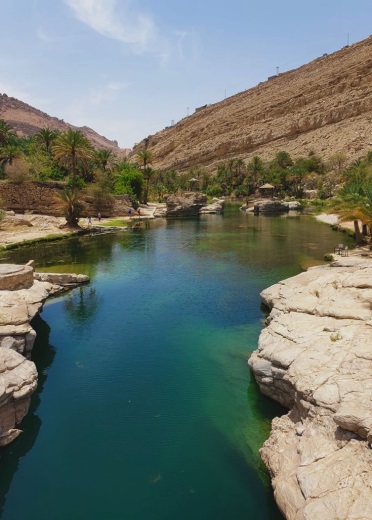
Winter offers cool, pleasant weather with temperatures ranging between 18°C and 28°C. It is is widely considered the best time to travel to Oman. This season is ideal for outdoor adventures, sightseeing, and cultural exploration. You can enjoy desert safaris in Wahiba Sands, dolphin watching in Muscat, and strolls through vibrant markets like Muttrah and Nizwa. Winter is also the peak Oman tourism period, with popular festivals such as the Muscat Festival and National Day celebrations, bringing the country to life. Winter provides the most pleasant and attractive environment for your Oman trip, whether you’re organizing a family vacation or an Oman exploration.
Spring (April to May) – A Transition into Warmth
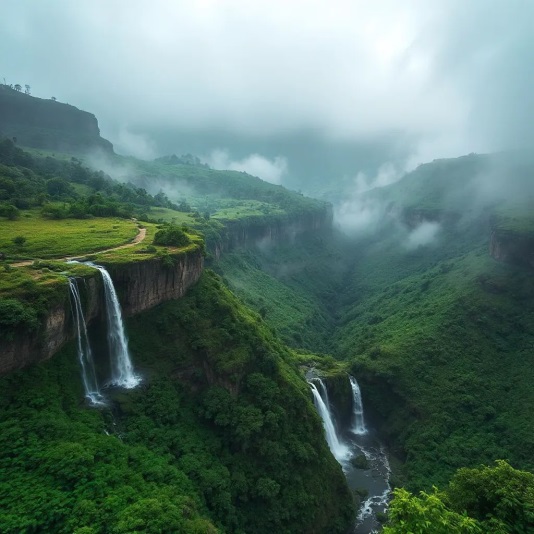
Spring in Oman, ranging from 25°C to 35°C, is an excellent time to explore Oman without the crowds of the peak season. The skies are clear and the landscapes are still greenish, making them ideal for outdoor exploration and photography. Tourists may climb through wadis like Shab and Bani Khalid, see Jebel Akhdar’s blossoming rose-gardens or take in serene beach days along the shore. Spring offers a balanced Oman travel experience – warm, vibrant, and ideal for those seeking a peaceful yet equally fascinating Oman vacation.
Summer (June to August) – Off-Season with Hidden Treasures
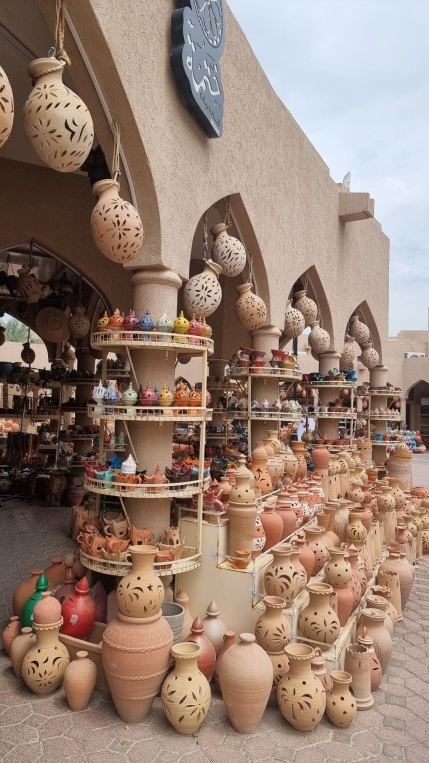
Summer in Oman is usually regarded as the off-season, due to the high temperature in most areas. However, for daring tourists, it offers unique surprises. While northern Oman can get quite hot, the southern region of Salalah transforms during the Khareef monsoon, blanketing the area in rich greenery, cool mist, and streaming waterfalls. This season offers an entirely different way to discover Oman, away from the crowds and at more affordable rates. For those seeking peace, nature, and cultural immersion, summer presents a refreshing and underrated side of Oman travel.
Autumn (September to October) – The Ideal Balance
Autumn is the perfect balance between the summer heat and the cool winter breeze. Temperature ranges from 25°C to 35°C, is perfect for outdoor exploration and sightseeing. The landscapes, revived after the Khareef season, are green and vibrant, ideal for photography and nature walks. In this season, planning a trip to Oman can include desert camping, snorkeling along Muscat’s coast, or exploring the mountains of Jebel Shams. Autumn is a wonderful time to have a laid-back yet exciting trip to Oman because it offers a peaceful setting before the busiest travel season starts.
Best Time to Explore Oman by Activity
Cultural Experiences and City Tours – winter and spring
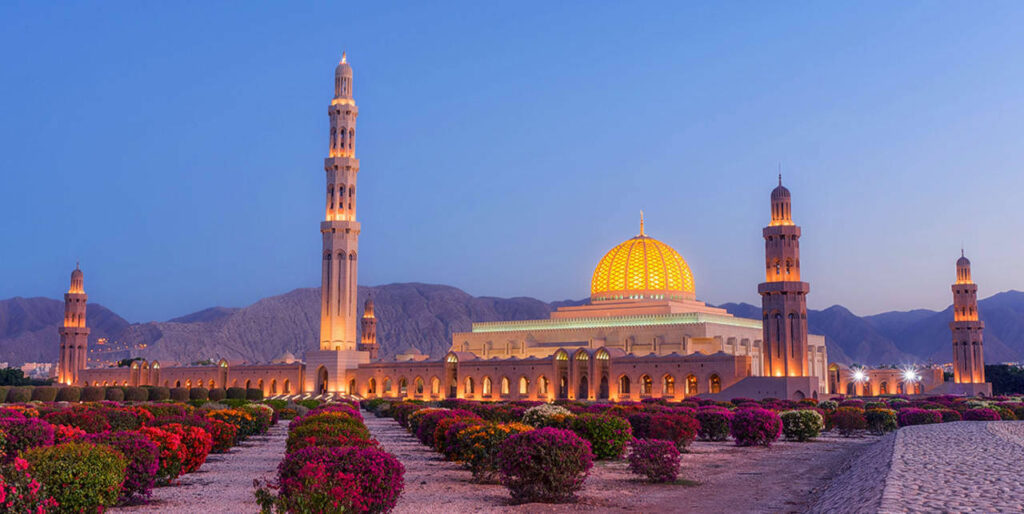
Winter and spring are ideal for exploring Oman’s rich cultural heritage. Visit historical forts, vibrant markets, and museums in Muscat, Nizwa, and other cities. The pleasant temperature makes walking tours and city explorations comfortable, providing a memorable Oman travel experience.
Desert Adventures and Safaris – November to February
The cooler months are perfect for desert adventures. Enjoy camel rides, dune bashing, and overnight camping in the Wahiba Sands. This period ensures a safe and comfortable Oman tour experience while witnessing the striking desert landscapes.
Beach Escapes and Water Sports – October to April
October through April offers the best weather for sun, sand, and water activities. During this period, the temperature is warm yet comfortable, making it ideal for snorkeling, diving, swimming, and unwinding on unpolluted beaches surrounded by greenish blue waters and golden sands.
Festivals and Events – December to March
Oman’s major cultural celebrations such as the Muscat Festival and National Day are celebrated in winter. They present a lively and happy image of the nation. This is the ideal time to discover the spirit of Omani history, with a vibrant blend of traditional music, dancing, crafts, and regional food that enlivens the streets. The Sultanate’s rich creative talent and culture are shown during the Muscat Festival, which brings together artists, entertainers, and food sellers from all around the country. This time of year is one of the most joyous, interesting, and culturally immersing time to visit Oman because of these festivities, creating memories that last long even after the trip is over.
Offbeat Exploration – summer and autumn
Summer and autumn offer offbeat experiences, for those seeking peaceful travel. Visit Salalah during the Khareef monsoon, explore remote mountain villages, or enjoy scenic desert landscapes without the crowds or any disturbing noises – a unique way to discover Oman beyond the typical tourist spots.
Month-by-Month Oman Travel Itinerary (Quick Reference Table)
Month Average Temperature Weather Highlights Travel Recommendation
Jan–Mar 18–28°C Cool and comfortable Peak tourism period
Apr–May 25–35°C Warmer, less crowded Ideal for short tours
Jun–Aug 30–42°C Hot; Salalah monsoon Great off-season deals
Sep–Oct 25–35°C Mild and pleasant Great for adventure trips
Nov–Dec 18–30°C Pleasant and festive Ideal for sightseeing
Oman: Travel Tips for Every Season
What to Pack for Your Oman Trip
• Use light weight, breathable clothing for daytime heat
• Keep hats, sunglasses, and sunscreen with you for protection from sun
• Follow modest clothing for visiting cultural and religious sites
Travel Planning Essentials
• Make advance bookings for accommodations and tours, during the peak winter season
• Keep flexible plans during the summer or Khareef season, to adapt to weather or events
Safety and Comfort Advice
• To remain hydrated when travelling across the desert or mountains, bring water
• To avoid peak heat, schedule your outdoor activities to early mornings or late afternoons
• To enjoy a culturally involved experience, respect local customs, especially those in rural areas and religious sites
Conclusion:
A trip to Oman promises diverse experiences throughout the year – from cool winter adventures to monsoon escapes in Salalah. The best time to visit Oman depends on your travel goals, whether it’s a relaxed Oman vacation, an exciting Oman tour, or a cultural journey to Oman. According to statista, in Oman, the Travel & Tourism market is expected to generate revenue of US$713.28m by 2030. With this Oman travel guide, you can confidently plan the perfect Oman travel itinerary and make the most of what this stunning destination has to offer. For the best tour planning and packages for the perfect exploration of Oman, visit Ahlan arabia tours.
FAQs:
What is the Khareef season in Oman?
The Khareef is a unique monsoon season in Salalah, running from June to September. The region turns lush and misty, offering a refreshing contrast to the rest of Oman’s arid landscape.
When is the peak tourist season in Oman?
The peak travel season is from December to February, when temperatures are ideal and outdoor festivals like the Muscat Festival take place.
What are the best places to visit in Oman during winter?
Top winter destinations include Muscat, Nizwa, Jebel Akhdar, Wahiba Sands, and the Musandam Peninsula, known for their scenic beauty and mild weather.
Can I visit Oman in summer?
Yes, but focus on Salalah or coastal regions. Central and northern Oman can be very hot for outdoor sightseeing.
Are desert safaris available year-round?
Yes, but the best time for desert safaris is during October–April, when temperatures are cooler and comfortable for camping.